Ham Radio Heritage
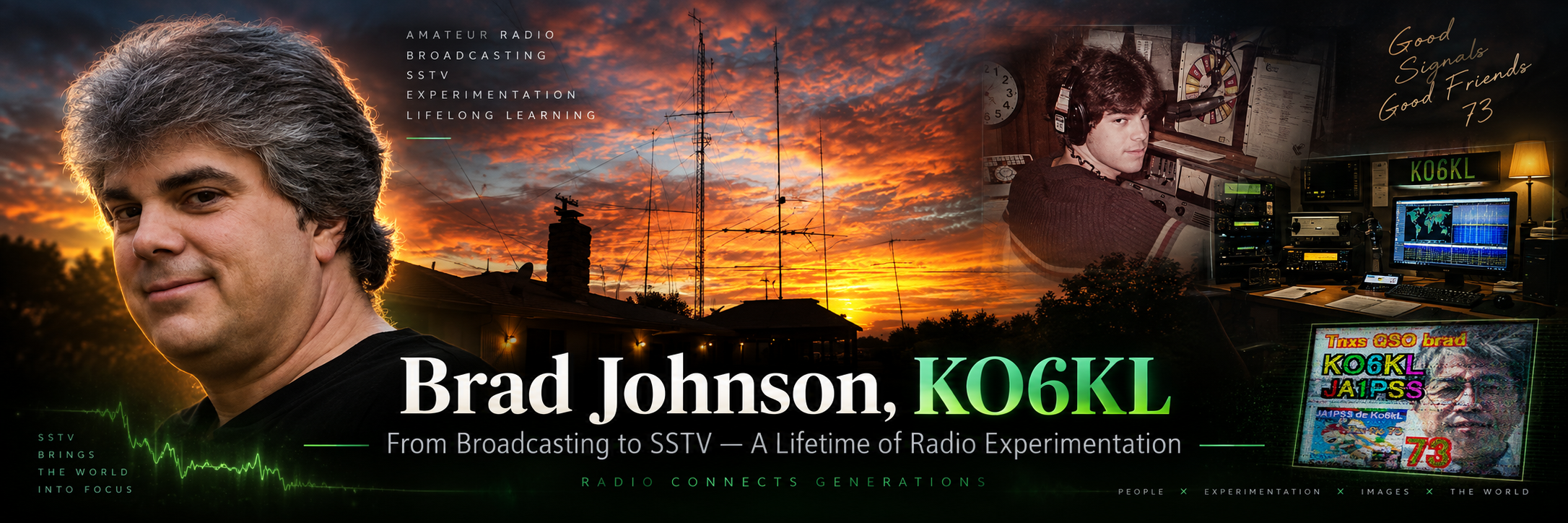
Brad Johnson, KO6KL
From Broadcasting to SSTV — A Lifetime of Radio Experimentation
From a teenage broadcasting job and years behind commercial transmitters to satellites, APRS, solar-powered radio, antenna experiments and a long-running SSTV webcam — Brad Johnson, KO6KL, has spent a lifetime asking the same question: what else can radio do?
A Callsign That Stood Out
When SlowscanTV began analysing its growing SSTV archive in September 2026, one callsign immediately stood out.
KO6KL was sitting in second place, with more than 3,500 SSTV images already collected — close to ten percent of all the images counted in that first activity overview.
That was reason enough to ask a simple question:
Who is the radio amateur behind KO6KL?
The answer turned out to be much bigger than SSTV alone.
Radio Before the Car
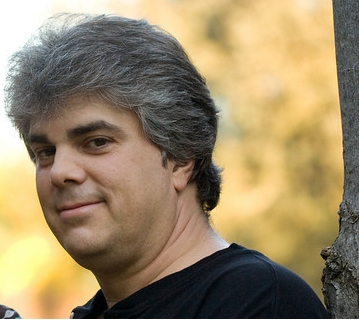
Brad's relationship with radio started early. Around 1983, at the age of 17, before he even owned a car, he was already working in broadcasting.
Radio was not yet a hobby squeezed in between other obligations. It was already part of everyday life.
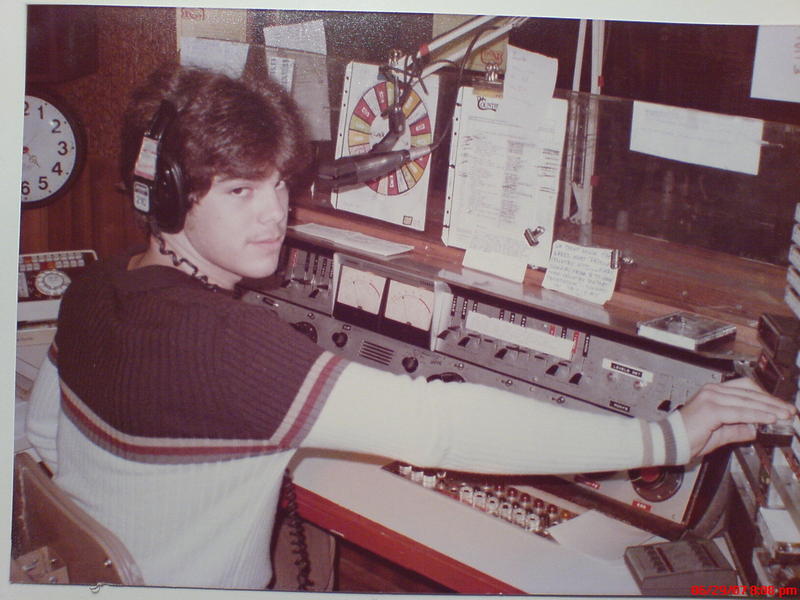
He would go on to spend approximately twenty years in commercial broadcasting, including twelve years as an engineer at KOSO 93.1 FM in Modesto, California.
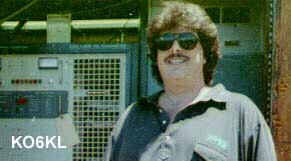
Later, when broadcasting changed and life moved in other directions, radio never really left him. It simply evolved.
Building KO6KL
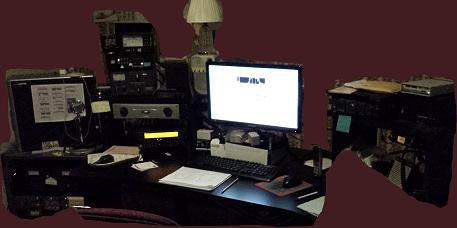
A look at Brad's amateur station quickly makes one thing clear: he likes to experiment.
This is not a station built around one radio and one antenna. Over the years KO6KL has included HF, 6 metres, VHF, UHF, satellites, APRS, packet, digital modes and a constantly evolving antenna system.
His station has featured equipment such as the Kenwood TS-590, Kenwood TS-2000X, audio interfaces, amplifiers and specialised noise-reduction hardware — all used with the same spirit that first drew him into broadcasting: learn how it works, improve it and keep experimenting.
The Antenna Farm
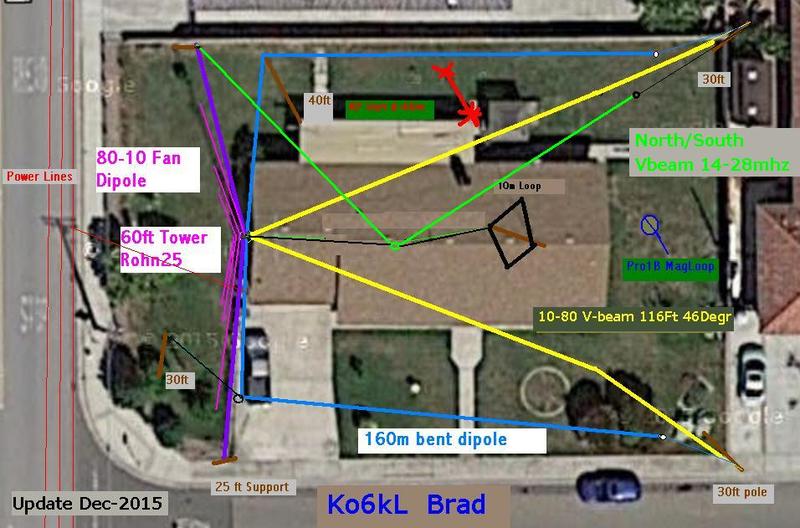
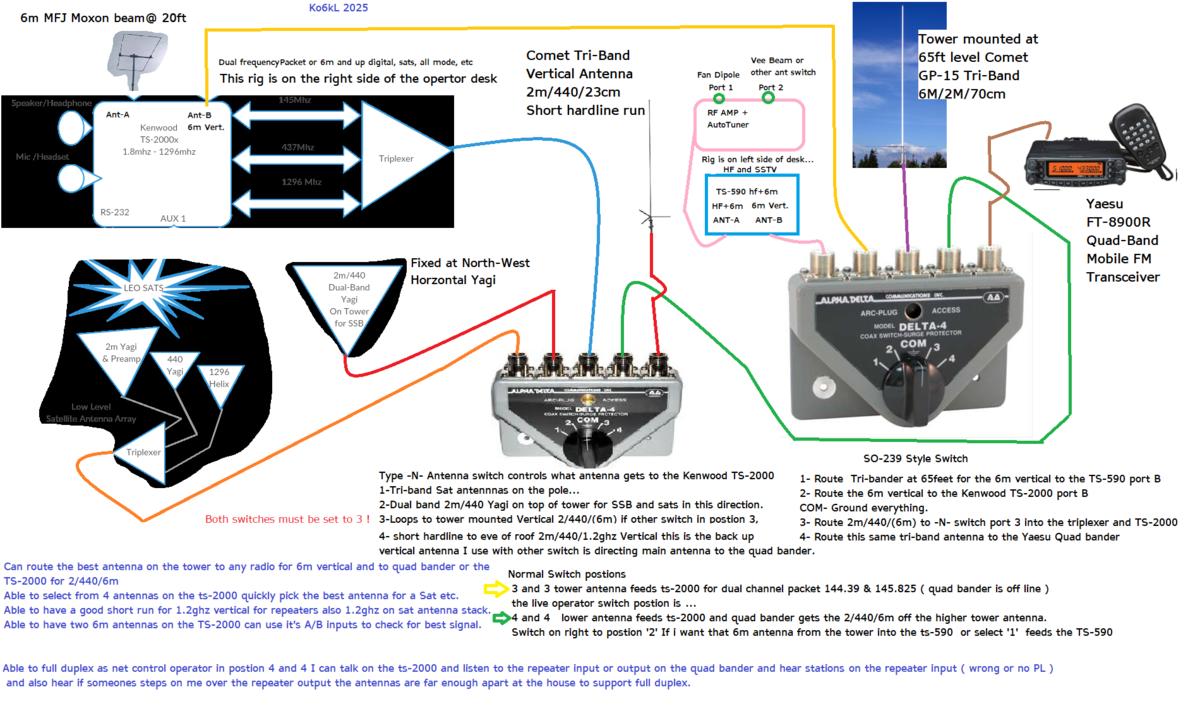
The KO6KL station is perhaps most impressive outside the shack. Brad has managed to fit a surprising variety of antennas around an ordinary suburban property.
V-beams, loops, verticals, Moxons, satellite antennas, support masts and specialised receive antennas have all had a place in the station.
What makes it especially interesting is not just the number of antennas, but the way Brad thinks about them. He compares them, switches them, documents them and keeps improving the system.
Looking Upward
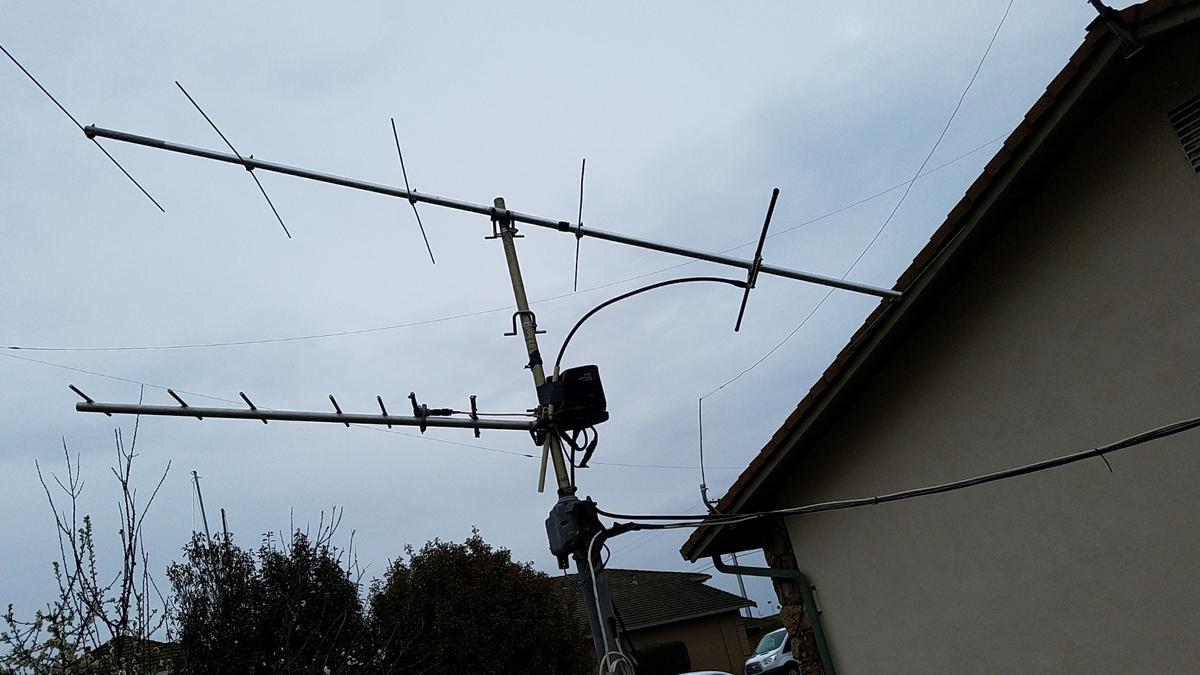
HF is only one part of Brad's story. He has also spent many years active with amateur-radio satellites and VHF/UHF experimentation.
His satellite operating has included dedicated antennas, triplexers, switching arrangements and careful station planning so that multiple systems can work together.
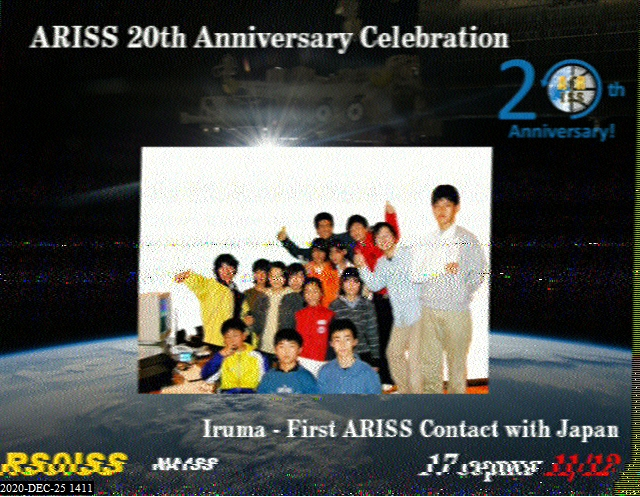
That naturally connects with SSTV as well, including images received from ISS SSTV events.
The KO6KL SSTV Webcam
Brad has been running an SSTV webcam for a very long time — long enough that, before it, he even had a neighbourhood-watch webcam in the early days of home internet cameras.
His current system receives analogue SSTV on HF and automatically places the newest images online. That is exactly the kind of live image source that eventually brought KO6KL into the SlowscanTV archive.
“I enjoy SSTV and each contact is its own electronic QSL card.”
— Brad Johnson, KO6KL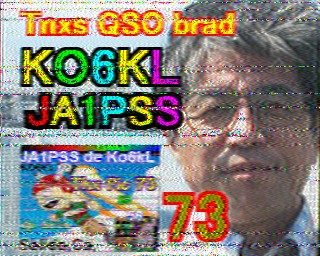
That sentence explains the appeal beautifully. An SSTV image is never just a picture. It is proof that a signal made the trip.
Solar Power and Fighting the Noise
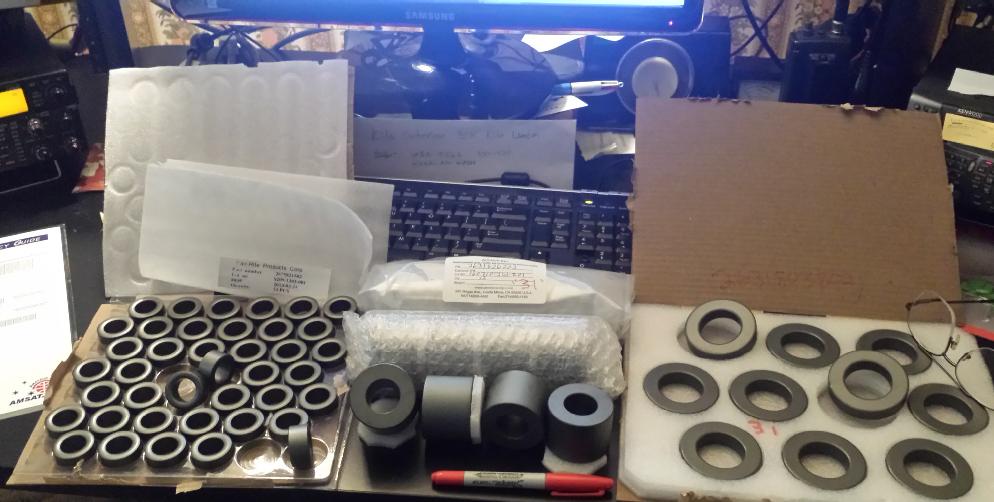
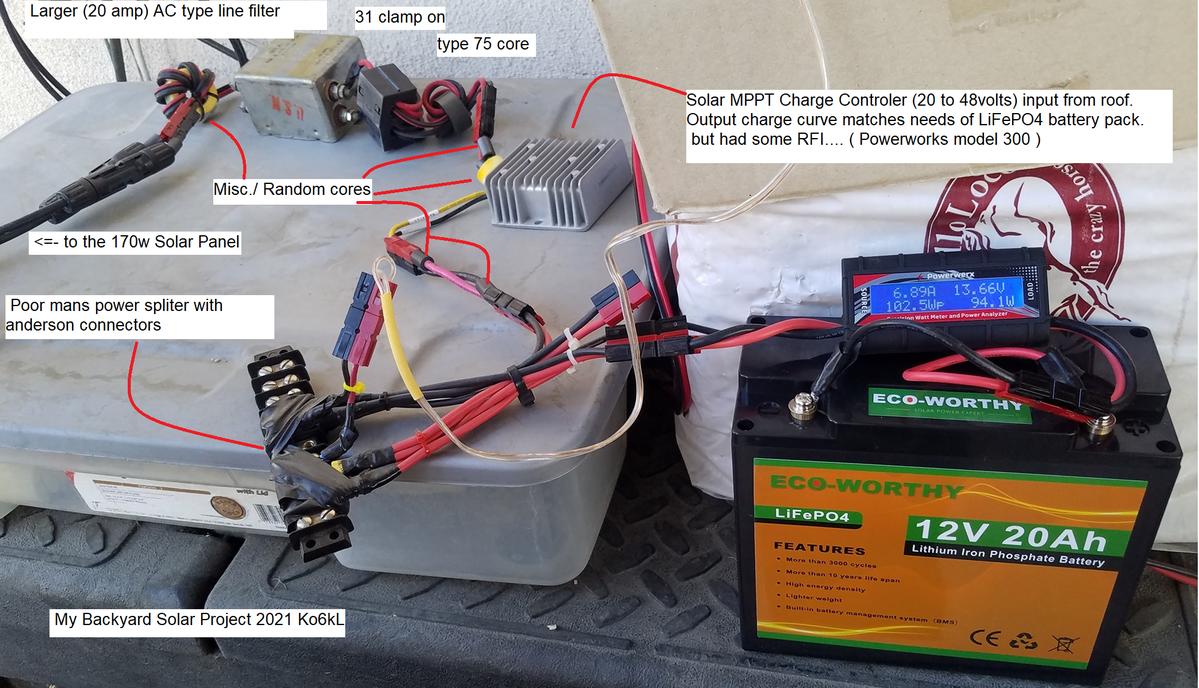
Modern amateur radio often means dealing with a growing enemy: electrical noise. Brad has spent a lot of time studying how to reduce it.
That includes ferrites, filters, grounding improvements and careful testing around solar-power systems. His interest in clean solar installations is practical, not theoretical.
For a radio amateur, producing electricity is only half the job. It must also be quiet electricity.
Brad's work in this area is especially valuable because it combines electronics knowledge, real-world operating experience and the willingness to share what he has learned with others.
Still Experimenting
The most striking thing about Brad's story may be that it is not really a story about the past. It is still continuing.
Antennas go up. Other antennas come down. Switching systems are refined. Noise problems are investigated. Solar systems are tested. Digital modes are tried. Satellites are followed. SSTV keeps flowing.
The curiosity that started in commercial broadcasting is still there.
Behind the callsign KO6KL is a broadcaster, engineer, antenna builder, SSTV operator, satellite enthusiast and experimenter who has spent much of his life asking what else radio can do — and then finding out for himself.
Photo Credits & Copyright
Photographs and illustrations used on this page come from the collection of Brad Johnson, KO6KL, and are reproduced on SlowscanTV with thanks. Copyright remains with Brad Johnson and the respective original copyright holders where applicable.
Story based on Brad Johnson's own correspondence, publicly shared station information and material from his website and QRZ page.