📍 Roudníky, Czech Republic
📡 Locator: JO60XP
Bands:
20m
🥇 Gold
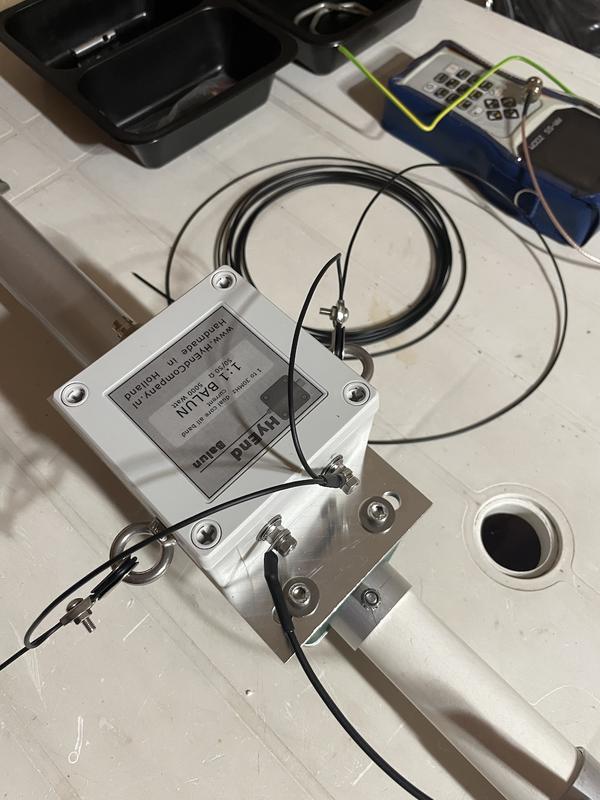
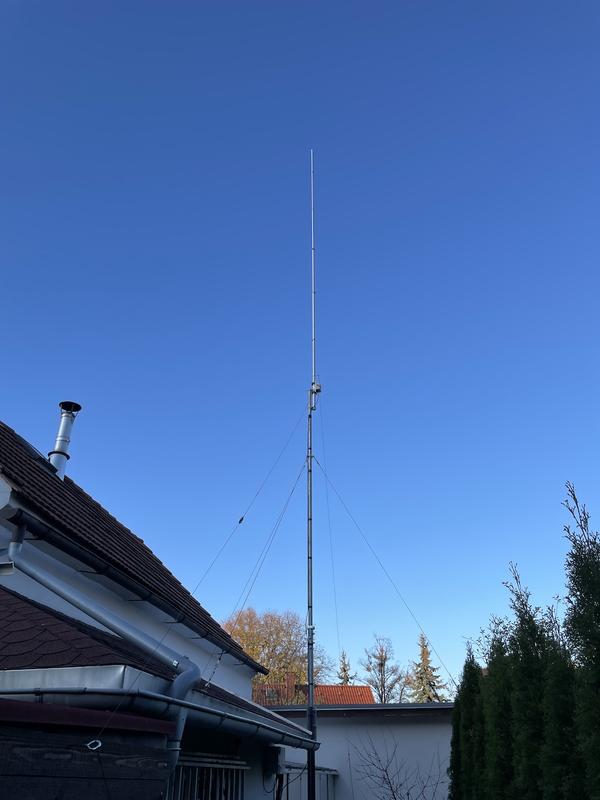
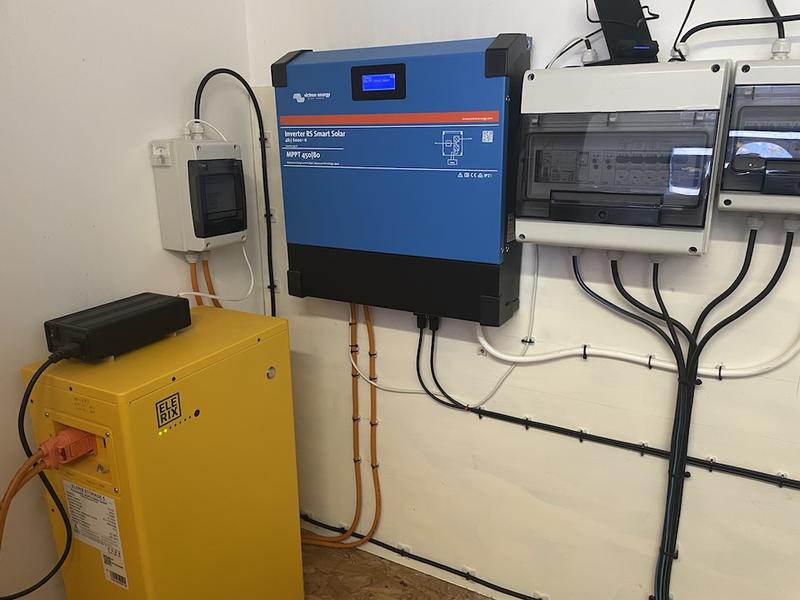
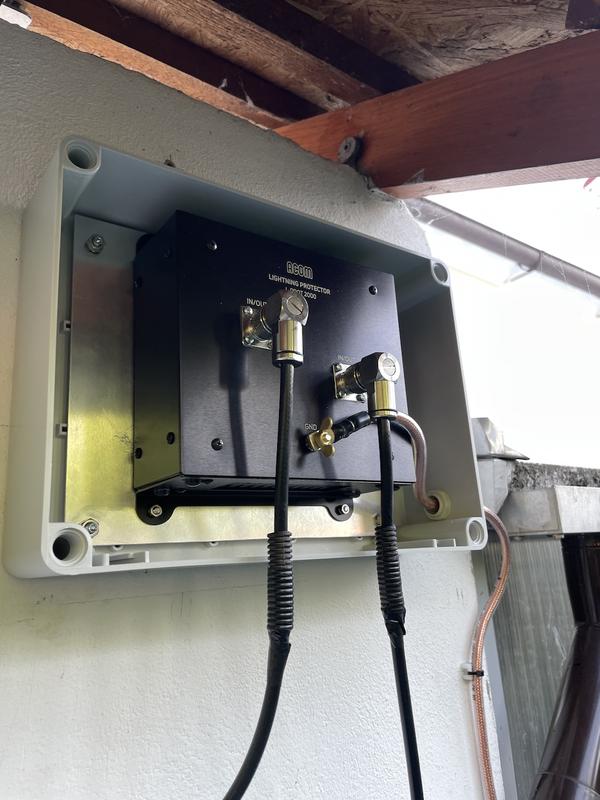
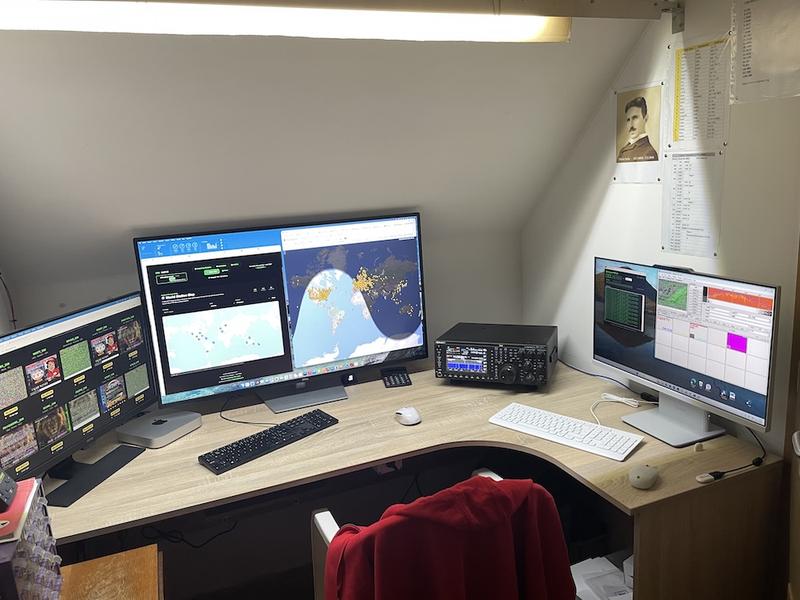
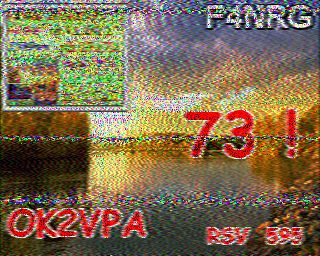
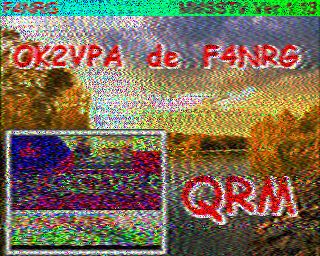
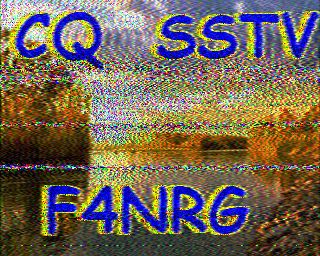
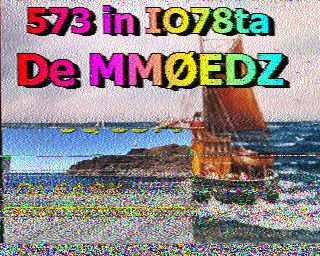
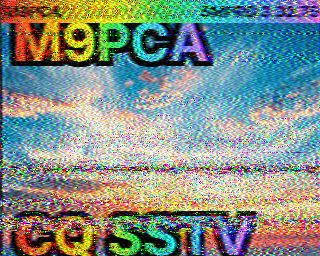
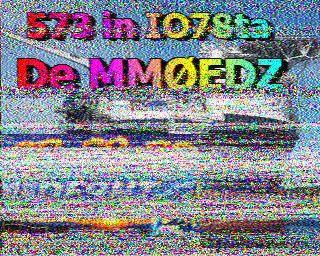
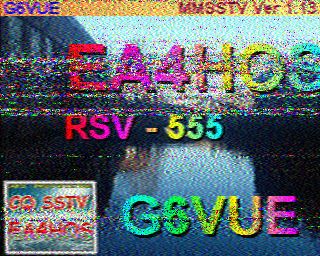
I have been interested in wireless communication since childhood, carrying out countless experiments and making fascinating discoveries. My first experiments with a crystal radio and spark-gap telegraphy remain unforgettable to this day. Over time, I moved from CB and PMR to the amateur radio bands. When I first started on CB, I met a much older operator who was passionate about SSTV. He showed me photographs of received images on an old radar screen, but at the time it did not appeal to me. Those were exciting days of hiking up local hills with a CB rig and hunting for DX contacts within our country. As CB activity declined, many enthusiasts moved to the amateur bands. After passing my licensing exams, I followed them. At first, mainstream amateur radio did not excite me. Much of the activity I encountered revolved around contesting: brief exchanges of signal reports, time pressure and little personal conversation. I loved experimenting with equipment, antennas and power supplies, and wanted to chat about those things. My on-air activity gradually dropped to almost zero. One day, while sorting through old photographs, I remembered my late radio friend and his enthusiasm for those grainy SSTV pictures. Suddenly, I wanted to understand what had fascinated him. I explored SSTV, assembled a makeshift receiving setup and was instantly hooked. That was when I understood: a single picture can be worth more than a thousand words. For me, SSTV bridges differences in language and operating skills. Even noisy, barely readable images can connect people of all nationalities around the world. My current setup My main transceiver is a Kenwood TS-890S connected to a Lenovo All-in-One PC running MMSSTV and Slowscan FTP. I also use WSJT-X to explore propagation and test antennas. An inexpensive GPS receiver with NMEATime provides accurate time synchronization. My primary antenna is a home-built ground-plane vertical for 20 metres with two sloping radials. It is fed through a HyEnd Company balun used as a line isolator / choke. An Acom L-PROT 2000 forms part of my antenna protection installation. The shack is powered by a solar inverter backed by a 5 kWh LiFePO4 battery bank. The transceiver runs from a continuously trickle-charged 12 V / 150 Ah deep-cycle lead-acid battery. Future plans I am constantly improving my setup. In 2027, I hope to raise the antenna higher above the ground and assemble a dedicated portable SSTV station for temporary locations.
You can have one too. SlowscanTV offers personal station pages for SSTV enthusiasts, including your latest images, station details and archive.
Join SlowscanTV →



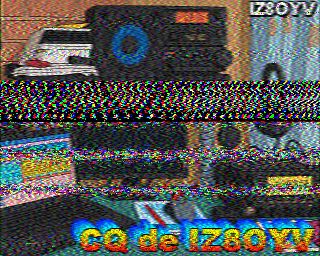
A look at the radio shack, antennas and equipment used by this station.